Rising Food Costs and the Return to Local: Why It Matters More Than Ever

If you have been to the grocery store lately, you have felt it. The steady climb in food prices is no longer subtle, it is front and center. Fresh vegetables, in particular, have seen noticeable increases, with staples like tomatoes, peppers, and leafy greens becoming more expensive and, at times, less consistent in quality.
This is not a short-term fluctuation. It is part of a broader shift happening across our food system.
Large-scale agriculture, which supplies the majority of grocery store produce across the country, is facing mounting challenges. The cost of synthetic fertilizers has surged in recent years, driven by global supply disruptions and increased energy costs. Water scarcity is another growing concern, especially across the West, where ongoing drought conditions are forcing farms to make difficult decisions about what and how much they can grow. Add in rising fuel, labor, and transportation costs, and the result is what we are all seeing at the checkout line.
Tomatoes are a great example. As a crop that is both nutrient-demanding and water-intensive, they are particularly sensitive to these rising input costs. When large-scale producers face higher fertilizer prices and limited water access, those costs do not disappear, they are passed down the chain.
But there is another side to this story.
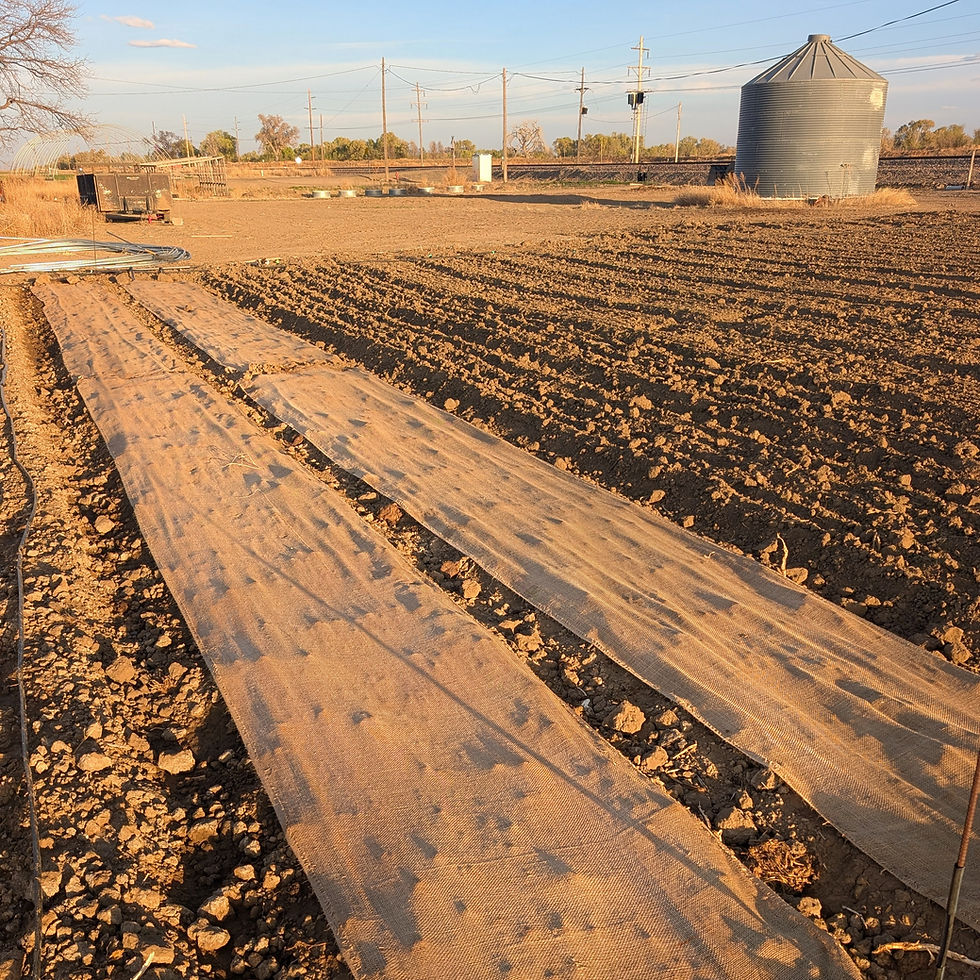
At Sweet Valley Farm, I operate differently. As a regenerative organic grower, I focus on building healthy soil that holds water more efficiently and supports plant health naturally. Instead of relying heavily on synthetic fertilizers, I fertilize with compost and use drip irrigation to conserve water. These practices not only improve the resilience of my crops but also reduce my dependence on the volatile inputs that are driving up costs in conventional agriculture.

That does not mean I am immune to challenges. Farming is never without its uncertainties. But it does mean that my model is built to adapt, not just react.
This is where local food systems come in.
When you shop at a farmers market, you are not just buying food. You are participating in a different kind of economy, one that is rooted in relationships, transparency, and resilience. Instead of relying on a shrinking number of large-scale operations spread across the country, you are supporting a network of small farms, ranches, bakers, and makers right in your own community.
And that matters.
Because as input costs rise and environmental pressures increase, local farms have the ability to stay nimble. I can grow a diversity of crops, adjust to seasonal conditions, and connect directly with the people I feed. There is no long supply chain, no cross-country transportation, and no middle layers driving up cost and disconnect.
What I am seeing right now feels like a turning point, and I'm here for it.
More people are asking where their food comes from. More growers are choosing sustainable, small-scale models. More communities are recognizing the value of keeping food production closer to home.
This is not about going backward. It is about moving forward with intention.
A future where backyard gardens, small farms, and local markets play a bigger role in feeding our communities is not just possible, it is already taking shape.
At Sweet Valley Farm, I am proud to be part of that shift. And I am grateful for every person who chooses to shop local, support small farms, and invest in a more resilient food system.
Because at the end of the day, this is about more than rising prices.
It is about building something better, together.
And on Earth Day, that feels especially important to remember. The choices we make about where our food comes from have a direct impact on the health of our soil, our water, and our communities. Supporting local, regenerative farms is one small but meaningful way to care for the land that feeds us.
Brett


Comments